Expert insights into dental implant cost Cape Town
Expert insights into dental implant cost Cape Town
Blog Article
Tooth Implant: Everything you should know to Comprehend for a Successful Procedure
Tooth implants offer a long-lasting solution for those dealing with tooth loss. They consist of a titanium post that integrates with the jawbone, guaranteeing stability. However, not everyone qualifies for this procedure. Factors such as bone health and oral hygiene have significant roles in candidacy. Learning about the process and what to anticipate can alleviate potential concerns. As one moves through the details, questions about eligibility and recovery naturally arise.

What's a Tooth Implant and How Does It Work for You?
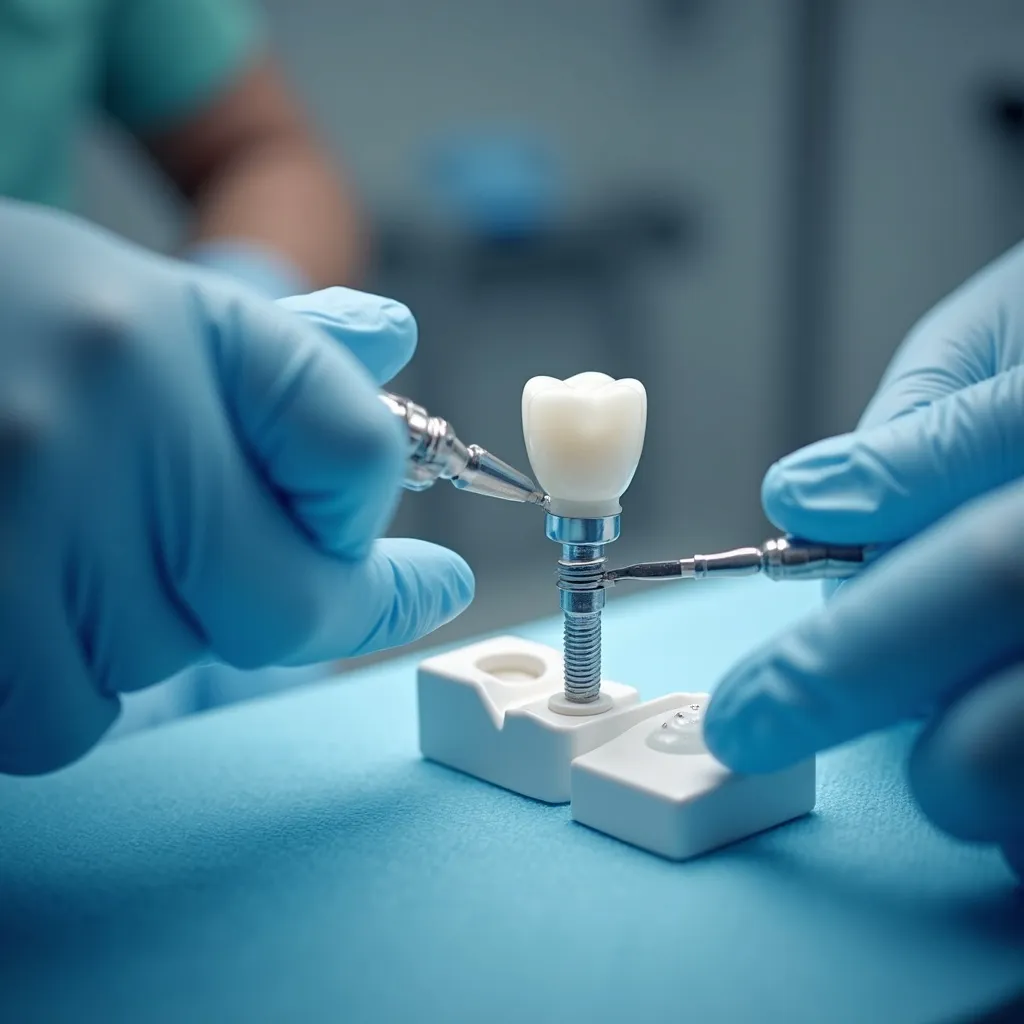
A tooth implant functions as a modern solution for people experiencing tooth loss. This oral treatment involves placing a titanium post into the jawbone, which serves as a substitute root for a missing tooth. Over time, the jawbone integrates with the post through a process known as osseointegration, delivering a solid base. Once the implant has fully integrated, a personalized crown is attached, replicating the appearance and function of a natural tooth.
Tooth implants offer several benefits, including improved chewing ability and better aesthetics. They also help prevent bone loss, which can occur after tooth loss. Unlike traditional dentures, implants do not move or need adhesives, making them a stable option. With proper care, such as regular dental check-ups and proper oral hygiene, tooth implants can last many years, providing a long-term solution for restoring both functionality and appearance to a person’s smile.
Who Makes a Suitable Prospect for Tooth Implants?
Figuring out who qualifies for tooth implants requires evaluating several key factors. Candidates typically include individuals who have lost one or more teeth due to injury, decay, or periodontal disease. A healthy jawbone is vital, as it provides the necessary foundation for the implant. Those with sufficient bone density may be ideal candidates, while individuals with significant bone loss may require additional procedures, such as bone grafting.
Additionally, patients must practice excellent oral hygiene and stay committed to regular dental visits. Age can also be significant; while there is no strict upper age limit, younger candidates should hold off until their jawbone has reached full maturity. Medical conditions, such as unmanaged diabetes or certain autoimmune disorders, may influence eligibility. Ultimately, a comprehensive examination by a qualified dentist will ascertain if tooth implants are a good option for the individual, providing optimal long-term success.
What to Prepare For During the Dental Implant Procedure?
Dental implant surgery can be a transformative experience for patients seeking to restore their smiles. This procedure typically includes several stages, beginning with a thorough consultation and imaging to evaluate bone density. Once deemed suitable, the patient is administered anesthesia to guarantee comfort.
The first stage in the procedure is the surgical insertion of the titanium implant into the jawbone, which functions as the synthetic root structure. This is followed by a recovery phase, allowing the implant to fuse to the bone. After sufficient healing, an abutment is secured, which will support the crown.
Patients may experience some swelling or discomfort post-surgery, but this is generally manageable with prescribed medications. A customized crown is then created and attached to the abutment, finishing the process. In summary, the tooth implant procedure is meticulously planned and performed, targeting excellent outcomes and patient contentment.
What Will Transpire During Your Recovery After Tooth Implants?
Recovery after tooth implants advances in distinct phases, each vital for successful healing. Initially, patients may feel swelling, bruising, and pain, which are normal reactions to the surgical procedure. Pain management often incorporates prescription drugs or nonprescription pain medications.
In the early period, soft foods are advised to reduce irritation and support recovery. As time passes, the implant slowly becomes integrated with the bone, a process termed osseointegration, which is vital for sustained stability.
Follow-up sessions are often planned to supervise mending and verify the implant's proper integration. Patients are advised to maintain excellent oral hygiene, avoiding forceful scrubbing on the surgical site.
A comprehensive recovery period may extend over multiple months, subject to individual circumstances. Dedication and following post-operative instructions are vital for reaching the expected result and guaranteeing the implant's stability.
Important Recommendations for Preserving Your Tooth Implants
Maintaining tooth implants is important for their long-term success and general oral health. Consistent cleaning related article habits, such as brushing and flossing, help preserve the structural integrity of the implants and surrounding tissues. Additionally, routine dental examinations are vital to monitor the state of the implants and handle any emerging problems in a timely manner.
Daily Oral Hygiene Practices
Consistent oral hygiene practices are fundamental for ensuring the proper function and endurance of tooth implants. Implant users should care for their teeth at least twice each day with a soft toothbrush and non-harsh toothpaste. Flossing is similarly important; implant-specific floss or interdental brushes can remove debris around implants effectively. Rinsing with an antibacterial mouthwash can help reducing plaque buildup and preventing infections. It is advisable to avoid hard-bristled brushes or abrasive products, as these may wear down the implant surface. Moreover, staying hydrated can boost saliva production, which is important for oral health. By sticking to these daily routines, implant users can significantly enhance the life of their tooth implants and support good oral health.
Routine oral visits support maintaining healthy dentition and gums. Dentists advise going each 6 weeks for optimal dental wellness.
Maintaining oral hygiene at home represents only a portion of the equation when ensuring the success of tooth implants. Consistent dental check-ups are crucial for observing the health of both the implants and adjacent tissues. A dental professional can discover potential concerns like infections or bone loss early, before they become serious. Generally, patients should arrange visits every six months, but those with implants might require more frequent reviews. During these appointments, the dentist will execute thorough cleanings and check the implant’s condition. Moreover, a professional can supply customized suggestions on care routines and dietary habits that aid long-term implant success. Ultimately, regular check-ups are vital in sustaining both oral health and the lifespan of tooth implants.
Debunking Common Myths About Tooth Implants
Although numerous individuals consider tooth implants a feasible option for missing teeth, several misconceptions surround their success and safety. One common myth is that implants are extremely painful; however, most patients report only mild discomfort during and after the procedure, handled effectively with anesthesia and medication.
A frequent misunderstanding is that implants require extensive maintenance. In reality, they can be cared for just like natural teeth, requiring regular brushing, flossing, and dental check-ups.
Furthermore, some believe that age disqualifies individuals from getting implants. In reality, as long as bone density is adequate, senior citizens can gain the same advantages from this procedure.
Lastly, countless people fear that implants will seem unnatural. In fact, modern implants are designed to harmonize seamlessly with existing teeth, ensuring an aesthetically pleasing result. By dispelling these myths, individuals can make informed decisions about tooth implants as a realistic option for restoring their smiles.
Learning about the Budget Requirements of Tooth Dental Implants
Understanding the costs associated with tooth implants requires considering several critical factors. These include the specific components affecting pricing, the role of insurance coverage, and accessible financing options. A comprehensive overview of these elements can help individuals make informed financial decisions concerning their dental health.
Factors Determining Implant Fees
Numerous factors influence the price of tooth implants, making it crucial for patients to be aware of these variables. One important element is the type of implant selected, as options differ in material and complexity. The experience and expertise of the dentist also play a vital role, with experts generally charging increased fees. Geographic location impacts costs, with urban areas often having elevated prices than rural areas. Additionally, the need for preparatory treatments, such as bone grafts or extractions, can increase overall costs. Finally, the caliber of materials used for abutments and crowns affects the final price. Understanding these factors can help patients take informed choices regarding their tooth implant investments.
Insurance Policy Considerations
How do insurance policies affect the cost implications of tooth implants? Many dental insurance plans provide restricted benefits for implants, often classifying them as elective procedures. This can result in patients facing substantial personal costs. Typically, plans may cover a portion of associated expenses, such as consultations or initial procedures, but not the implants themselves. Additionally, some policies may have delays or yearly limits that further complicate budget management. Patients should examine their individual plan information and think about reaching out to their insurance providers to explain benefits. Understanding these elements is crucial for effective budgeting, as the total cost burden differs significantly based on personal coverage options and benefit maximums.
Payment Plans Ready
Which payment options are accessible for patients considering tooth implants? There are various options to help with the costs associated with this dental procedure. Many dental practices offer in-house financing plans, enabling patients to pay in installments rather than a lump sum. Moreover, third-party financing organizations provide loans specifically for dental services, often accompanied by flexible repayment terms. Some patients may also explore health savings accounts (HSAs) or flexible spending accounts (FSAs) to cover expenses. Another choice is credit cards, though patients must consider the interest rates. Finally, patients should discuss these financing methods with their dental providers to decide the best fit for their financial situation, ensuring access to essential dental care without unnecessary financial pressure.
Top Frequent Concerns People Have
How Extended Can You Expect Tooth Implants to Persist?
Tooth implants frequently last between 10 to 15 years, though many can survive much longer with correct care. Factors impacting longevity include oral hygiene, lifestyle choices, and individual health conditions affecting the jawbone.
Is it Feasible for Tooth Replacements to Deteriorate, and Why?
Dental implants may not work due to different factors, including microbial invasion, poor bone quality, wrong positioning, or neglecting post-operative care. Understanding these potential problems is indispensable for promoting long-term success with dental implants.
Are There Alternatives to Tooth Replacement Implants?
Absolutely, other options besides tooth implants can be found. Alternatives include dentures, dental bridges, and resin-bonded bridges. Each choice provides specific advantages and disadvantages, letting individuals to choose according to their specific dental needs and preferences.
Will Coverage Cover Dental Implant Costs?
Coverage for dental implants through insurance differs greatly depending on the plan. Some policies may partially cover the costs, while others could exclude them completely. Consumers should reach out to their insurance provider to understand specific coverage details and limitations.
Can people who smoke obtain tooth implants successfully?
Smokers are able to secure tooth implants in a successful manner, but their tobacco consumption magnifies the risk of complications, such as inflammatory response and implant failure. Reaching out to a dentist specialist for personalized advice is mandatory for best outcomes.
Report this page